
CLA annual awards leverage $1.2 million in lung health research funding
The Canadian Lung Association (CLA) is excited to announce a total of $1,281,794 in funding for the 2026 research funding cycle. A portion of that total was provided by CLA, with the majority made available through collaborative funding initiatives.
Fifteen projects will receive funding in 2026, including research on chronic obstructive pulmonary disease (COPD), asthma and interstitial lung disease as well as improving the lung health outcomes for critically ill patients. Ten of the projects are newly funded, two projects are in the third year of a five-year grant, and three projects were awarded funding renewals in their respective competitions.

McMaster University

University of British Columbia

Research Institute of the McGill University Health Centre
Trained immunity in eosinophils: Mechanisms and therapeutic opportunities***

University of Ottawa

University of Manitoba

University of Calgary

Princess Margaret Cancer Centre

Queen’s University

McMaster University

University of Calgary

University of British Columbia

SickKids
Research funding awarded in 2025

McGill University

McMaster University
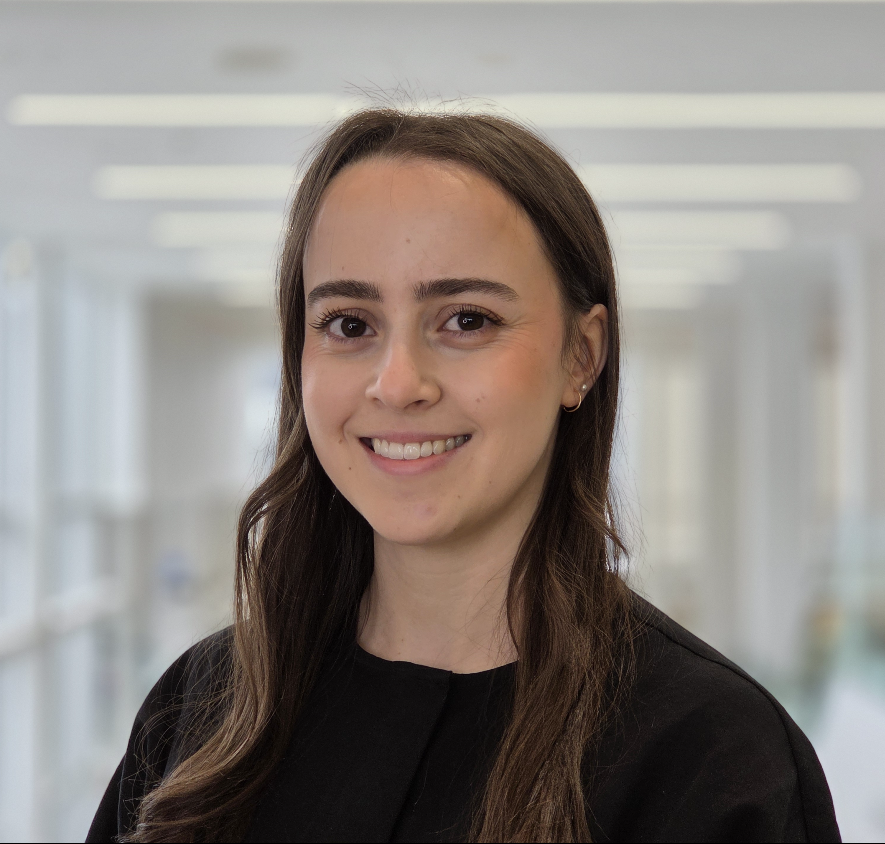
University of Waterloo

Simon Fraser University

Queen’s University

York University
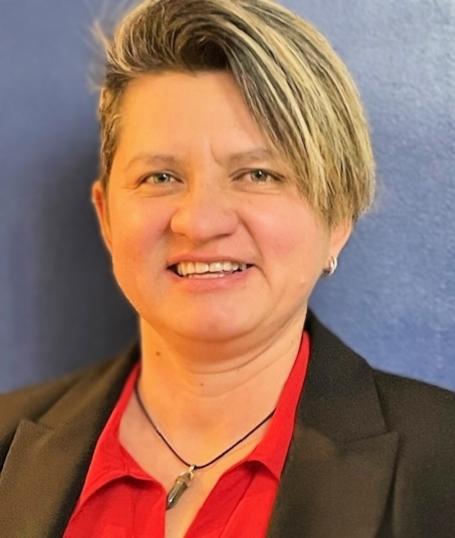
University of Manitoba

University of Toronto

Queen’s University

University Health Network
University of Calgary
University Health Network
Research funding awarded in 2024
University of British Columbia
McMaster University
University of British Columbia
University of Waterloo
Queen’s University

University of British Columbia
University of Toronto
York University
SickKids

University of Toronto

Toronto Metropolitan University
McMaster University

University of British Columbia
About Samin’s research
Cartilage-associated protein (CRTAP) as an environmentally sensitive target in idiopathic pulmonary fibrosis
Keywords: Idiopathic Pulmonary Fibrosis (IPF), spatial transcriptomics, spatial imaging, cartilage-associated protein (CRTAP), particulate matter
We recently discovered that air pollution contributes to changes in the way genes are turned on or off in the blood of patients with idiopathic pulmonary fibrosis (IPF). One gene that is particularly impacted by pollution is called CRTAP, or “cartilage-associated protein”. CRTAP is a protein involved in forming the connective tissue that helps to provide structure and support throughout the body. We also found that CRTAP levels are high in the lungs of patients with IPF, especially in areas with large amounts of scar tissue.
My goal in this work is to understand how air pollution impacts CRTAP in the lungs of patients with IPF, and whether we can target this protein when developing future treatments for this disease. This is a novel project that, for the first time, will look at the effects of environmental air pollution exposures on changes in the genes, cells, and structure of the lung.
This research aims to explore the effect of air pollution on the lungs to minimize future damage and progressive scarring in patients with IPF, potentially uncovering pathways for new treatments. It will provide firm molecular evidence to support the necessity of environmental policies that protect this vulnerable group of patients. contribute to informing environmental health policies, especially for vulnerable groups like patients with IPF. Aligned with the Canadian Lung Association’s mission, my study investigates chronic lung disease causes and aims to provide evidence for managing IPF
progression and supporting stricter environmental health policies.

McGill University
About Dr. Collin’s research
Association of a novel index of early life growth adversity with later-life lung structure and function
Keywords: growth impairment, quantitative computed tomography, pulmonary function, cardiopulmonary exercise testing, COPD
We do not understand why some people develop lung disease and some people do not. But, recent research suggests that early life growth conditions may be important risk factors for lung disease later in life. Using genetic data, we can predict how tall a person should be. Then, using simple math, we can calculate the difference between measured standing height and genotype-predicted height (height-GaP). Height-Gap is a simple index of lung growth impairment that can be used in adults. We found that people who were not breastfed, had a bad diet, or were exposed to second-hand smoke early in life have a larger height-GaP deficit (are shorter than expected). We also found that larger height-GaP deficits were associated with smaller lungs. But, we do not know if height-GaP is associated with lung structure and function later in life.
The objective is to characterize the relationship of early-life growth impairment, as quantified by height-GaP, with later-life lung structure and function as well as exercise test responses in people with or without lung disease. We will use results from two large studies in Canada and the USA which have complete medical imaging scans to measure lung, airway and blood vessel tree size. Lung function and exercise tests have been completed. We will use statistical tests to look at the relationships between height-GaP with lung structure and function.
Height-GaP may be a useful index of lung growth impairment easily applied in adults. Height-GaP may help identify individuals at risk of lung disease and help us find new treatment targets.
McMaster University
2025 Allied Health Fellowship
2024 Allied Health Fellowship
About Christopher’s research
Feasibility of a post-hospital physical rehabilitation program for survivors of the intensive care unit: A pilot study (2026)
The effects of post-hospital rehabilitation on physical function in survivors of critical illness (2025)
The needs and preferences of critical illness survivors for post-ICU rehabilitation (2024)
Keywords: mechanical ventilation, ICU-acquired weakness, physical rehabilitation, physiotherapy
I am a physiotherapist and PhD candidate in Rehabilitation Science at McMaster University. Much of my clinical work has involved caring for people who are critically ill in the intensive care unit. Through this work, I saw that many patients face ongoing challenges after leaving hospital, including weakness, fatigue, shortness of breath, and difficulty returning to everyday activities, yet there are limited supports available to help them recover.
These experiences led to my research interest in improving physical recovery and quality of life after critical illness, particularly for people who have experienced respiratory failure and required a breathing machine. My research focuses on developing rehabilitation approaches that can better support people as they transition from hospital to home and work toward returning to the activities that matter most to them.
There is still limited evidence about the effects of rehabilitation after hospital discharge for people who have survived critical illness, especially in Canada. My current project will test whether it is practical to run a post-hospital rehabilitation program and study. This will help us identify and address any challenges before launching a larger study to determine whether this type of program can improve physical function and recovery after critical illness.
Ultimately, I hope my work will help make community-based rehabilitation more available to people recovering from critical illness in Canada. My goal is to ensure that patients have the support they need to rebuild strength, confidence, independence, and quality of life after leaving hospital.
University of Waterloo
In partnership with the Canadian Respiratory Research Network (CRRN)
About Makenna’s research
Assessing the health risks of e-cigarettes use among young people in Canada: A longitudinal study of biomarkers of exposure and product differences
Keywords: tobacco, vaping, young adults, respiratory disease, population health
Young people in Canada have among the highest e-cigarette vaping rates in the world. While the scientific community generally agrees that regular vaping will be harmful to lung health, there is little evidence on the level of harm of vaping and whether some types of vaping products are worse than others.
The project aims to look at how young people use e-cigarettes, compare the levels of certain
chemicals (biomarkers) in people who vape, smoke, or do not use these products, and see how these levels differ between different types of vaping products. The study will be conducted with 1,000 young people (aged 16-25), divided into three groups: 1) a control group who do not vape or smoke, 2) a group that only vapes, and 3) a group that only smokes. Over 24 months, two types of data will be collected. First, surveys will be taken at the beginning and again after 24 months to learn about their vaping and smoking habits, including what products they use (like brand, flavour and nicotine level). Second, biological samples (blood, urine, and saliva) will be collected at both times to check for chemicals like nicotine, harmful substances from vaping and smoking (e.g., VOCs and TSNAs), and metals.
There is a need for studies that follow people who vape but have never smoked over time. This project will be one of the largest studies to date to look at the health risks of vaping among young people. While there has been a lot of progress in reducing tobacco use over the past century, the rise of vaping in the last 10 years has prompted renewed efforts to strengthen regulations. To effectively support these regulations, a clearer understanding of the risks of vaping is essential as there is still limited research on the long-term health effects of vaping. Several population-based surveys have found higher rates of self-reported respiratory conditions among young people who vape; however, more in-depth studies are needed to determine the full health impacts of vaping on young populations. By examining biomarkers of exposure and potential harm (BOEs/BOPHs), this project can play a crucial role in validating self-reported data on vaping behaviour and use, providing a more accurate foundation for future studies that assess the health effects of vaping. Strengthening this understanding will help inform policies that discourage vaping among young people and protect future generations from respiratory disease.
University of British Columbia
About Tony’s research
Biomimetic airway models for mechanistic studies of airway disease and environmental exposure responses
Keywords: in vitro models, interstitial lung diseases, air pollution, wildfire smoke, gene-environment interactions
Idiopathic pulmonary fibrosis, or IPF, is a serious disease that causes the lungs to become thick and scarred, making breathing difficult. The cause is unknown, but repeated lung injuries and abnormal repair after injury may play a role. My project studies how lung repair becomes abnormal in IPF and how wildfire smoke and air pollution can make the disease worse. This is important because wildfires are becoming more common, and people with lung diseases may be more sensitive.
We will grow small lung tissues in the laboratory called alveolar organoids, or “mini-lungs.” These mini-lungs will be made using cells from patients with IPF and exposed to wood smoke or air pollution. We will use imaging to look for damage and scarring. We will also study how different cells respond by examining which genes are active in each cell.
The results may help us find harmful cell signals that can be blocked with possible treatments. This research could improve our understanding of IPF, support better protection from wildfire smoke, and help researchers across Canada develop new treatments for people with lung disease.
Research Institute of the McGill University Health Centre
In partnership with the Canadian Asthma, Allergy and Immunology Foundation and Asthma Canada
About Dr. Kaufmann’s research
Trained immunity in eosinophils: Mechanisms and therapeutic opportunities
Keywords: eosinophils, preclinical research, innate immune memory, asthma, vaccination
Allergic asthma is a chronic inflammatory disease driven by exaggerated immune responses to environmental allergens. In asthma, eosinophils are key effector cells that promote inflammation and tissue remodeling in the lung. Interestingly, recent findings suggest that the role of eosinophils expands from effector to memory cells. Innate immune memory, known as trained immunity, enhances cellular functions in secondary exposures.
We propose to investigate the novel concept of eosinophil memory during allergic sensitization, and how targeting this memory can disrupt the allergic cycle. Our group is using a mouse model of intermittent low-dose house dust mite (HDM) exposure that mimics human asthma. In this model, eosinophils show strong inflammatory activation and respond more robustly upon re-exposure, consistent with features of trained immunity. We also demonstrate that prophylactic or therapeutic administration of the trained immunity inducer β-glucan improves lung function, reduces eosinophil activation, and dampens airway inflammation.
This project tests two aims: (1) to define the molecular and functional reprogramming of eosinophils in response to HDM exposure, and (2) to disrupt allergic inflammation by therapeutically reprogramming eosinophils using β-glucan. We will assess eosinophil function after allergic sensitization through in vitro assays and epigenetic profiling, adoptive transfers in mice, and ultimately use parabiosis to determine the in vivo efficacy of β-glucan-trained eosinophils. Ultimately, this work has the potential to uncover a new layer of immune regulation in asthma and to inform novel therapeutic strategies targeting the root of chronic allergic inflammation.
Simon Fraser University
About Dr. Koelwyn’s research
Inflammatory memory in chronic obstructive pulmonary disease
Keywords: epigenomics, inflammation, COPD, innate immunity, epithelial cells
In COPD, certain lung cells become overactive and don’t work properly. This includes immune cells, such as monocytes and macrophages, which produce too many inflammatory signals and can’t clear out harmful substances effectively. Epithelial cells, which line the airways, also become dysfunctional, leading to problems with the mucus and cilia that help keep the airways clear. This dysfunction attracts more inflammatory cells, causing further damage in the airways. Despite knowing a lot about these processes, scientists still don’t fully understand the exact molecular changes that cause these cells to become dysfunctional in COPD. This limits our ability to treat COPD patients and stop or reverse dysfunction in these problematic cells.
Recent studies suggest that immune cells like monocytes and macrophages, as well as epithelial cells, can acquire ‘memory’ when exposed to inflammation. This inflammatory memory occurs through changes in the way DNA is packed (known as epigenetics), which makes the cells more likely to react strongly and in a harmful way. We hypothesize that inflammatory memory is present in monocytes, macrophages, and epithelial cells in COPD, and this memory contributes to cell dysfunction. Such information would unlock a new understanding of how these cells contribute to COPD, and with it new potential drug targets to improve disease outcomes.
The objective of the proposed research is, for the first time, to investigate inflammatory memory in the lungs of individuals with COPD. These data are critical to understand: (1) whether these changes occur in COPD, identifying a new process that causes cell dysfunction in this disease, and (2) provide the information necessary to design a future larger trial to determine whether such memory is related to worsening of symptoms in COPD, and if this differs based on other factors, such as being male or female, or the severity of an individual’s disease.
Inflammatory memory has been shown to be a key molecular feature that accelerates numerous diseases, including heart disease and cancer, with treatments now being tested to improve outcomes in these diseases. However, to date, even though innate immune and epithelial cells share many of the same functional defects as seen in other diseases, no study has investigated inflammatory memory in COPD, or if these changes relate to cellular dysfunction. This trial will be the first to investigate inflammatory memory in COPD – a critical step in understanding its role in COPD development and progression. Currently, scientists don’t fully understand the molecular changes that cause cells in the lung to become
dysfunctional in COPD. This lack of understanding has stalled development of new drugs in COPD, leaving patients and doctors with generic interventions such as bronchodilators and anti-inflammatory drugs, which focus on symptom relief, without treating the disease itself. By investigating inflammatory memory, this study has the potential to illuminate a new molecular feature that contributes to the development and progression of COPD, unlocking new opportunities to develop or repurpose drugs that target these changes, improving COPD outcomes.
University of Ottawa
About Dr. Kuhar’s research
Harnessing regulatory T-cell biology for acute lung injury: Scalable cell-free and targeted cellular therapies
Keywords: acute lung injury (ALI), regulatory T cells (Tregs), Treg-derived extracellular vesicles (Treg-EVs), artificial immune receptor T-regulatory cells (AIR-Tregs), acute respiratory distress syndrome
Acute Respiratory Distress Syndrome (ARDS) is a serious condition that can happen during illnesses like infections, burns, or trauma. It causes inflammation and fluid buildup in the lungs, making it hard to breathe. Most therapies given to patients do not cure the lung tissue damage that causes these breathing issues; they only manage symptoms and prevent further damage.
I am testing two novel, exciting therapies that have not yet been explored before – extracellular vesicles released by regulatory T cells and ‘artificial immune receptor’(AIR) regulatory T cells. In addition, I will be testing these therapies in both young/old and male/female animals, in contrast to most studies that have typically only used young, male mice. This will make the results I produce more applicable to all patients.
The lab I work in has led many ‘early-phase’ clinical trials. Thus, if my results are promising they could be rapidly translated to a clinical trial to test in patients with ARDS. By identifying a treatment that prevents treats the underlying lung damage of ARDS, we may be able help patients recover faster, have fewer long-term breathing problems, and a better quality of life.
Queen’s University
About Kristin’s research
The effect of continuous positive airway pressure (CPAP) therapy on daily movement behaviours and exercise capacity in obstructive sleep apnea (OSA)
Keywords: obstructive sleep apnea (OSA), daily physical activity, daily movement behaviours, exercise capacity, fatigue
Obstructive sleep apnea is a common medical condition where a person’s breathing slows down or stops during sleep. This causes poor sleep quality and can make people feel fatigued and tired during the day. It can also lead to serious health problems like heart disease. Some symptoms of sleep apnea can make it hard for people to say active or exercise, which can make their health worse. Our research is focused on understanding how symptoms like daytime sleepiness and fatigue affect how much physical activity people with sleep apnea want to do and can do. We are also studying if treating sleep apnea can help people be more active and improve their ability to exercise.
I will study how sleep apnea affects people’s daily physical activity (what someone chooses to do) and exercise
capacity (what someone can do if they try their hardest), and if treating sleep apnea helps to improve physical
activity and ability to exercise.
This project will study how poor sleep and sleep apnea symptoms impact daily activity and exercise in both
males and females. This research will be the first to examine how symptoms like fatigue, motivation to
exercise, physical ability, and heart, lung, and breathing muscle function change after treating sleep apnea.
This work will also include interviews with patients to learn about their personal experiences with sleep apnea
and to understand how sleep apnea affects their physical activity levels.
Physical activity is really important for health, but many lung conditions (like sleep apnea) make it harder for
people to be active. This research looks at whether treating sleep apnea can help reduce symptoms that stop
people from being active. If treating sleep apnea helps people be more active, this work would show how
important it is to screen and treat sleep apnea to help people stay active and healthy.
University of Manitoba
About Dr. Matloubi’s research
Mechanisms for oxidized phosphatidylcholine-mediated glucocorticoid insensitivity in allergic asthma
Keywords: oxidized phosphatidylcholine, glucocorticoid insensitivity, oxidative stress, pediatric asthma, airway epithelial cell signaling
Asthma is one of the most common long-term diseases affecting children and a leading cause of emergency healthcare visits in Canada, especially among preschool-aged children. A fundamental feature of asthma is persistent inflammation in the lung, which predisposes patients to frequent asthma attacks and poor quality of life. Although inhaled glucocorticoids (steroids) are the main treatment for controlling lung inflammation, in many children they are ineffective, so asthma symptoms are frequent and severe. As a result, patients may often require higher doses of steroids, which increases the risk of negative side effects. Understanding why some children respond poorly to steroid treatment is essential for improving their asthma care.
This project investigates how oxidative stress, a harmful process that occurs alongside inflammation in the lung, contributes to ineffective steroid treatment. Specifically, we are studying oxidized fat-like molecules called OxPCs (oxidized phosphatidylcholines) that are generated by oxidative stress in the lungs. Using human lung cells and tissues and experimental models of asthma we will determine how OxPCs reduce the effectiveness of steroid treatment and whether blocking their effects can restore the benefits of existing therapies. We will also perform the first screen of blood samples from preschool-aged children with asthma to determine whether biomarkers for oxidative stress in the lungs can predict how well a patient responds to steroid therapy.
Our findings could lead to new ways of identifying children at risk of poor treatment response for their asthma symptoms. We will also generate knowledge that could support the development of effective personalized therapies to improve asthma control and mitigate the need to use higher doses of steroids. This will enhance the long-term health and quality of life of children living with asthma.
University of Calgary
About Dr. Necker-Brown’s research
Personalized immuno-metabolic therapy in acute respiratory distress syndrome (ARDS)
Keywords: acute respiratory distress syndrome (ARDS), critical care, personalized medicine, metabolites (lactate), innate immunity
Acute respiratory distress syndrome (ARDS) is a serious lung condition that can be caused by infections (for example, sepsis) or by injury. In ARDS, the lungs become inflamed and fill with fluid, which lowers oxygen levels in the blood, leading to high rates of patient mortality. ARDS is not the same in every patient, however current treatments often use a “one size fits all” approach. We propose tailoring treatment to each unique patient.
Lactate is a substance made by cells when they produce energy, especially during stress. High lactate in the blood or lungs is linked to worse outcomes in ARDS. Emerging evidence suggests that lactate may not just be a sign of illness, but may also change how immune cells work. This change in immune cell function could lead to the progression of ARDS.
This project will study how lactate affects immune cells like neutrophils and monocytes. First, we will examine cells from ARDS patients with different lactate levels and compare them to patient outcomes. Next, we will test how lactate changes immune cell function in the lab. Finally, we will use this information to design more personalized treatments. This could help improve survival by matching therapies to each patient’s unique biology.
York University
2024 Allied Health Research Grant
2018 Studentship
About Dr. Phillips’ research
The impact of pulmonary vascular dysfunction on breathlessness in COPD (2025)
We think that abnormal responses of the blood vessels in the chest will cause patients living with mild forms of chronic obstructive pulmonary disease (COPD) to be short of breath during exercise. To determine how the blood vessels in the lungs respond during exercise, and to see if abnormalities in these responses are linked to the perceived shortness of breathing in patients with mild COPD, patients will complete a cardiopulmonary exercise stress test on a stationary bike, while measurements of blood vessels function are acquired. Patients will be asked to rate their perceived shortness of breath (often termed dyspnea), using a standardized scale, at rest and during exercise.
To our knowledge, no past studies have reported exercise responses in mild COPD with continuous measurements of lung blood vessel function. Results from this proposed study will be used to better understand the complex causes of activity-related dyspnea in symptomatic patients living with mild COPD. Our findings will set the stage for future research targeted at improving blood vessel function and respiratory symptoms in these patients
Characterizing the physiological impact of electronic cigarette use in healthy young adults (2024)
The prevalence of e-cigarette use (also known as vaping) in Canada is rising, however, the physiological consequences and long-term effects on lung health are poorly understood. The objective of this project is to better understand how vaping affects the lung at rest and during exercise. We will complete a series of lung function tests in young healthy vapers and non-vapers. Measurements will be made at rest and during an exercise test on a stationary bicycle.
This study will be one of the first to describe in detail how vaping affects the function of the lungs at rest and during exercise. The proposed work will provide information on how vaping affects lung health in otherwise healthy adults. Moreover, findings from this proposed project will help design future studies aimed at preventing the development of lung disease, helping managing lung disease, and promoting lung health in Canadians.
The effect of inhaled nitric oxide on dyspnea and exercise tolerance in mild chronic obstructive pulmonary disease (2018)
Chronic obstructive pulmonary disease (COPD) is a respiratory disorder commonly caused by smoking, and is characterized by breathlessness and exercise intolerance. During exercise, COPD patients are less efficient
breathers, requiring them to breathe more compared to individuals without COPD. This increased breathing
increases the feeling of breathlessness and causes patients to stop exercising at lower intensities. Even though
patients with a mild form of COPD have relatively well preserved lung function, they still have inefficient
breathing during exercise. We think that these patients have problems exchanging fresh gas (i.e., oxygen) into
the blood stream because of poor pulmonary blood vessel function.
The objective of the proposed study is to test whether inhaled medications, specifically nitric oxide, can improve
pulmonary blood vessel function, breathing efficiency and exercise tolerance. To date, much research has been done to understand how lung function effects COPD patient’s ability to exercise. However, there is minimal research done to understand how the pulmonary blood vessels can effect COPD patient’s ability to breathe and exercise. With this research, we will understand more about breathing efficiency, pulmonary vessel function and gas exchange in mild COPD patients, and find out whether improving pulmonary blood vessel function helps COPD patients breathe easier and exercise longer. Understanding the reasons behind the feeling of breathlessness may lead to more effective therapy and improved quality of life and lung health in COPD patients
University of Manitoba
In partnership with Boehringer-Ingelheim Canada
About Dr. Sanchez-Ramirez’s research
Virtual reality-assisted breathing exercises to support symptom management and rehabilitation in interstitial lung diseases
Keywords: ILDs, breathing exercises, rehabilitation, virtual reality, biofeedback
ILDs are a group of chronic lung conditions that cause progressive scarring in the lungs, leading to shortness of breath, reduced exercise capacity, and a significant decline in quality of life. Breathing exercises, often delivered through pulmonary rehabilitation programs, are proven to help alleviate symptoms and improve overall well-being in people living with ILDs. However, access and adherence to these programs remains a major challenge due to barriers such as transportation difficulties, scheduling constraints, and limited patient motivation. Advancements in digital health technologies offer promising new ways to deliver rehabilitation outside of traditional clinical settings. While immersive VR has shown potential in supporting rehabilitation programs for people with chronic obstructive pulmonary disease, its application for individuals with ILDs remains underexplored. Therefore, we aim to develop an immersive VR breathing exercise program specifically tailored for individuals living with ILDs.
This project introduces a first-of-its-kind immersive virtual reality breathing intervention for people with ILDs, co-designed with patient partners and developed by an interdisciplinary team. It leverages advanced technology and patient-centered design to develop and evaluate a novel rehabilitation approach that could potentially be used at home or in community settings with minimal to no supervision.
This research represents an important first step in reimagining PR for patients with ILDs. By developing and testing an immersive VR breathing exercise program with integrated biofeedback, we aim to offer ILD patients an engaging experience that may improve access to care, boost treatment adherence, support better symptom management, and enhance quality of life. Over time, we plan to expand the VR platform beyond breathing exercises to include additional components of PR, working toward a fully immersive, comprehensive VR-based rehabilitation program tailored to the needs of people living with ILDs
University of Toronto
About Dr. Schreiber’s research
Muscle recruitment during neck flexion and inspiratory muscle training in difficult and prolonged weaning patients: A physiological study – The FLEX Study
Keywords: mechanical ventilation, weaning from mechanical ventilation, respiratory muscles, inspiratory muscle training, neck flexion
Each year, up to 90,000 Canadians become critically ill and need the help of a breathing machine (called mechanical ventilator) to breathe. A considerable number of these patients become dependent from the ventilator, and many will die in the hospital. Weakness of the respiratory muscles is the main cause of this dependency. Early rehabilitation could strengthen the respiratory muscles and help liberate patients from the ventilator, but current techniques are difficult to apply in critically ill patients, as they require attention and cooperation, are often ineffective or introduced too late.
Neck flexion, however, is designed to be done with minimal cooperation while the patient can remain on the ventilator. It has therefore the potential to be started earlier in critically ill patients, rehabilitate more and prevent further weakness of their breathing muscles, and therefore support the liberation of these patients from the ventilator.
In patients who are dependent on a mechanical ventilator, we will compare the effects of a new rehabilitation technique which can potentially be applied earlier and require minimal cooperation, against the current best practice. We want to know how feasible, well-tolerated and safe it is, and identify any potential benefits. One way to understand if a rehabilitation technique is effective is by measuring how strong the muscles contract in response to it: the stronger the contraction, the greater the potential for strengthening. We will compare how different respiratory muscles are activated in terms of intensity of contraction; this will help us determine the best approach to rehabilitating each specific muscle.
The Flex study is immediately relevant for critically ill patients who struggle to be liberated from the ventilator. It may reshape current approaches to rehabilitation by strengthening the respiratory muscles more effectively and improving the chances of successful liberation from the ventilator. This will enhance patient health, particularly for those with prolonged ventilator dependence. We anticipate our findings will have a substantial impact on future clinical decision-making and resource allocation, given the vital implications associated with remaining dependent on a ventilator
Princess Margaret Cancer Centre
About Dr. Sibley’s research
Prehabilitation prior to elective surgery for patients with chronic lung disease: A mixed-methods study of barriers, facilitators and effectiveness
Keywords: perioperative exercise, prehabilitation, pulmonary disease, frailty
Prehabilitation (or prehab) is the process of preparing patients for surgery by treating components of frailty. For example, exercise is used to improve muscle strength and nutrition support is used to prevent weight loss. Prehab has been shown to improve lung health before and after surgery and reduce mortality and complications from surgery.
The objective of this study is to evaluate how effective prehab is for preventing pulmonary complications (e.g., pneumonia) after surgery. We will also evaluate the perspectives of patients with chronic lung disease who participated in prehab and clinicians who treat them to inform prehab and pulmonary rehabilitation programs.
By focusing specifically on prehab for people with chronic lung disease, including preferences, needs, and effectiveness, this study will provide important information needed to improve prehab and pulmonary rehab for these patients. This information will also be critical for educating healthcare providers on how to adapt prehab and rehab for patients with chronic lung disease and to advocate for the use of these interventions in hospitals where they do not yet exist.
Queen’s University
In partnership with the Canadian Respiratory Research Network (CRRN)
2025 Studentship
In partnership with the Canadian Respiratory Research Network (CRRN)
About Reginald’s research
Consequences for exertional dyspnea in hyperinflated patients with COPD (2026)
A novel clinical physiology platform to investigate the effects of inhaled bronchodilator therapies on small airway function, operating lung volumes, and neuromechanical dissociation (SOUND): Consequences for exertional dyspnea in hyperinflated patients with COPD (2025)
Keywords: chronic obstructive pulmonary disease (COPD), dyspnea, small airway disfunction (SAD), cardiopulmonary exercise testing (CPET), functional magnetic resonance imaging (fMRI)
One reason people with COPD feel short of breath during exercise is because of something called air trapping. This happens when they cannot breathe out all the air in their lungs before needing to take another breath in. Because of this their lungs hold more air than “healthy” people. To breathe properly, their brains need to send stronger signals, which can make their breathing feel even harder.
The goal of this project is to assess whether obstruction of the small air tubes in the lungs trap air at rest others in opening these difficult-to-reach tubes. We will use a special “puffer” that works better than others in accessing these difficult-to-reach tubes. We expect that by improving their function, these persons will have less air trapped; thus, their brains will send less information to the main muscle we use to breathe (called the diaphragm), lessening their shortness of breath. If we confirm this, our study will contribute greatly to our understanding how these medications work, creating the basis for alleviate the suffering of many Canadians.
This project is special because we use advanced tools to measure how the lungs and muscles work at rest and during exercise. This has never been done before and after puffers for COPD. No other lab worldwide can do such detailed measurements and imaging in the same people with COPD.
New “puffers” that deliver drugs more evenly and that stay in the air longer create new hope for people who struggle to breathe during exercise. However, it is still unclear if better medicine spread and wider small air tube openings do help in improv and, if so, why. We aim to prove that this is the case because when they are more open, less air is trapped, unloading the overworked muscles of respiration. This might will help to improve the way we treat millions of Canadians who suffer the devastating consequences of COPD, making doctors and drug developers focus on inhalers that treat more efficiently these small airways.

University Health Network
About Dr. Steele’s research
Canadian survey on dysphagia in chronic respiratory diseases
Keywords: chronic lung disease, dysphagia, swallowing, chronic obstructive pulmonary disease (COPD), interstitial lung disease
Swallowing is required for nutrition. Some people with breathing disorders experience swallowing problems that can make their breathing issues worse. The role of swallowing difficulties in breathing disorders is not well understood.
We will survey and interview people living with breathing disorders to help us understand how common swallowing problems are, and how they impact breathing. We will also collect more detailed information through focus groups. The survey will be conducted in English and French. The study will guide development of a new tool for doctors and other healthcare providers to use, to identify swallowing problems in people with breathing disorders.We will develop advocacy and education resources to improve the recognition and management of swallowing problems in people living with breathing disorders.
This research addresses an overlooked yet critical issue: dysphagia in individuals with lung disease. By identifying the prevalence and impact of swallowing difficulties in this population, the study will provide valuable data linking dysphagia to respiratory exacerbations and overall health outcomes. These findings will support advocacy for improved dysphagia management within respiratory care, leading to better patient education, early identification, and timely intervention. The study results will inform development of a multi-professional tool for assessing dysphagia risk, facilitating effective detection and management of swallowing difficulties by healthcare providers. By partnering with national respiratory organizations, we will leverage and strengthen connections between patients, clinicians, and policymakers, promoting evidence-based strategies to enhance care for Canadians living with lung disease.
University of Calgary
In partnership with the Canadian Respiratory Research Network (CRRN)
About Ben’s research
Investigating sex-based differences in the diaphragm blood response following inspiratory muscle training
Training the muscles that let us breath in (called inspiratory muscle training (IMT)) is used as part of programs for people with various lung diseases where it can improve inspiratory muscle strength and endurance. Despite its effectiveness, our understand of IMT is incomplete and our knowledge of potential differences between males and females in IMT is limited despite evidence suggesting females respond less to the training.
Previous research shows females may not respond to inspiratory muscle training as well as males. Our study will be the first to investigate sex-differences in the diaphragm blood flow response to exercise following inspiratory muscle training. This study has the potential to advance the understanding of sex-based difference in the respiratory muscle blood flow response through the establishment of a new technique to measure the diaphragm blood flow response to inspiratory muscle training.
Learning how blood flows to the main breathing muscle, the diaphragm, following inspiratory muscle training could help healthcare professionals make more informed decisions. For example, when a patient is coming off a breathing machine (ventilator), males and females may need different care because their breathing muscles and blood flow may work differently. This project helps researchers and healthcare providers understand the differences in breathing muscles and blood flow and how our muscles respond during and after training.

University of Calgary
In partnership with the Canadian Asthma, Allergy and Immunology Foundation (CAAIF) and Asthma Canada
About Dr. Thornton’s research
Evaluating the pyroaeromicrobiome of wildfire smoke and its role in asthma
Keywords: wildfire smoke, asthma, microbiology, microbiome, mycobiome
Wildfire smoke is becoming an increasingly common health threat in Canada, especially for people living with asthma. Smoke contains tiny particles (PM2.5) and chemicals that irritate the lungs, but new science suggests there may be an overlooked component contributing to asthma attacks: microbes carried on smoke particles. When vegetation and soil burn, living bacteria, fungi and potentially their toxins can become airborne and travel long distances in wildfire plumes. This “pyroaeromicrobiome” and its role in asthma is almost entirely unknown.
Our research team proposes that these wildfire-borne microbes may worsen asthma by disrupting the airway microbiome and triggering neutrophilic inflammation, a form of asthma that is difficult to treat and less responsive to inhaled steroids. This study will investigate how wildfire smoke microbes influence asthma biology and clinical outcomes.
The project has three goals:
Identify the microbes carried in wildfire smoke. Using controlled burns at Canada’s leading wildfire research facility and real-world smoke sampling, we will measure which bacteria and fungi become airborne during wildfires and whether they remain alive and capable of triggering inflammation.
Examine how wildfire smoke exposure affects asthma risk at the population level. Using data from the UK Biobank (500,000 participants), we will model wildfire-derived PM2.5 exposure and determine whether asthma attacks increase during smoky periods. We will also explore whether a person’s baseline microbiome influences their susceptibility to smoke-related exacerbations.
Study how wildfire smoke affects people with asthma in Calgary. During wildfire season, we will collect airway, blood, and stool samples from adults with asthma to track how smoke changes their airway microbes and immune responses. We will compare responses in people with eosinophilic versus neutrophilic asthma to identify who is most vulnerable.
This research will reveal whether wildfire-borne microbes are a hidden factor driving severe asthma symptoms during smoke events. Findings could lead to new tools to predict who is at greatest risk, new biomarkers to guide treatment, and
eventually new strategies (including microbiome-based approaches) to help people with asthma during wildfire season.
University of British Columbia
2026 Fellowship
About Dr. Usman’s research
Air pollution particle sources and aging: Effects on airway responses in chronic obstructive pulmonary disease
Keywords: asthma, chronic obstructive pulmonary disease, Airway epithelial cells, traffic-related air pollution, wood smoke
In Canada, air pollution is becoming a bigger concern as climate change leads to more wildfires and growing cities produce more traffic pollution. Smoke from wildfires mix with traffic pollution and travel long distances, affecting the air people breathe for days. Additionally, sunlight changes these pollutants, making them even more harmful. However, we still do not fully understand how these combined pollution exposures affect people living with COPD.
This project will study how woodsmoke and traffic-related air pollution affect the lungs and worsen COPD. We will use advanced laboratory models that closely mimic the human airway and expose them to mixtures of fresh or ultraviolet-aged pollutants. We will examine changes linked to COPD, including airway inflammation and narrowing, and changes in genes that control these processes. We will also test whether existing medicines can reduce pollution-related damage and help restore healthier airway function. By using real-world pollution mixtures instead of studying single pollutants alone, this research will improve our understanding of pollution-related COPD flare-ups, identify new treatment opportunities, and help guide stronger air quality policies.
SickKids
In partnership with the Canadian Asthma, Allergy and Immunology Foundation (CAAIF)
About Dr. Williams’ research
Dietary intake and micronutrient status in children with asthma and comorbid food allergy
Keywords: micronutrients, diet, pediatric, asthma, allergic disease
Many children with asthma also have food allergies and need to avoid certain foods, which can make it harder to get all the nutrients they need. Vitamins and minerals support growth and help control inflammation in the body. Without enough of these nutrients, lung health may be affected.
This project will identify which vitamins and minerals children with asthma and food allergies may not be getting enough of in their diets. We will also measure some of these nutrients in the blood to see how diet relates to levels in the body.
This project is one of the first to examine both diet and blood nutrient levels in children with both asthma and food allergies. By linking diet, nutrient levels, and asthma symptoms, it can better identify children at nutritional risk and inform more targeted nutrition care. By identifying which nutrients children may be missing and how this relates to asthma, this
research can help guide doctors, dietitians, and families to improve children’s nutrition. Improving nutrient intake may support lung health and asthma control. These findings can inform practical strategies to prevent and better manage asthma in children.
University Health Network
About Joyce’s research
Feasibility of lung function home monitoring using respiratory oscillometry after lung transplant
Keywords: remote monitoring, spirometry, oscillometry, lung transplant
Acute graft rejection following lung transplant typically occur in the small airways, and is a common problem that affects 30 to 50% of people in the first year after lung transplant. The risk is particularly high during the first 3 months. Acute rejection causes the lungs to lose their ability to work properly, leading to difficulty breathing if not treated. Over time, it can cause progressive loss of lung function, a lower quality of life and decrease on survival.
The primary objective of this study is to assess the feasibility of home monitoring using a portable oscillometry device after lung transplant and to compare the home oscillometry results with those obtained from hospital lab testing. We will recruit patients who recently received a double lung transplant at Toronto General Hospital. We will give study participants a portable oscillometry device, teach them how to use it and collect information on a daily basis.
This project aims to enhance early detection of acute rejection, a common and serious complication that affects lung transplant recipients. As conventional lung function tests are less sensitive in detecting small airway changes, oscillometry offers a more precise method to identify dysfunction that signal acute rejection. Early diagnosis and intervention could significantly improve patient outcomes, reducing the risk of chronic rejection and enhancing the overall quality of life for Canadians living with a lung transplant.
*In partnership with the Canadian Asthma, Allergy and Immunology Foundation (CAAIF)
**In partnership with the Canadian Respiratory Research Network (CRRN)
***Led by CIHR-ICRH in partnership with CAAIF and Asthma Canada
****In partnership with Boehringer-Ingelheim Canada