
CLA joins 11 other health organizations on Clean Air Day
Saskatoon | Treaty 6 Territory, Homeland of the Métis Nation | June 3, 2026 — On national Clean Air Day, a coalition of 12 health organizations urged the Saskatchewan government to immediately recommit to phasing out coal-fired electricity by 2030, pointing to a new analysis that estimates the province’s plan to refurbish coal plants could cause 70,000 person-days of difficulty breathing, 2,000 asthma episodes and 50 premature deaths or hospitalizations.
“Many people don’t realize how much coal pollution harms our health, but doctors see the impacts of air pollution on their patients every day,” said Dr. Murray Opdahl, a physician in Saskatoon and co-chair of Canadian Association of Physicians for the Environment (CAPE) in Saskatchewan. “Unfortunately, everyone will have to worry about whether the air is safe enough for their children to play outside at recess, or whether a grandparent with COPD can come to an outdoor family gathering. The decision to continue burning coal will directly affect the daily lives of the people who live in Saskatchewan.”
In an open letter and press conference in Saskatoon today, a dozen national and provincial health organizations urged the Legislative Assembly to reverse the coal extension, invest in renewables, strengthen air-quality standards, and require health impact assessments for all energy decisions.
Their call was backed up by new analysis from the Pembina Institute, which reveals the high health costs of Saskatchewan’s decision to extend the use of coal to 2050. The institute estimates this decision would contribute to increased respiratory health-related issues including reduced activity days, asthma episodes or in the worst case, hospitalizations and premature deaths. These will cost $160 million across local communities, putting pressure on already strained rural healthcare services.
“By extending the life of its coal-fired power plants from 2030-2050, Saskatchewan now becomes the only Canadian province to continue its reliance on coal in the modern electricity era,” said David Pickup, director of the electricity program for the Pembina Institute. “This is a decision that will not only put Saskatchewan at a serious economic disadvantage, but will also put Saskatchewanians’ health at higher risk. Ultimately, there are more affordable ways to power the province’s economy — without polluting the air and water or harming people’s health.”
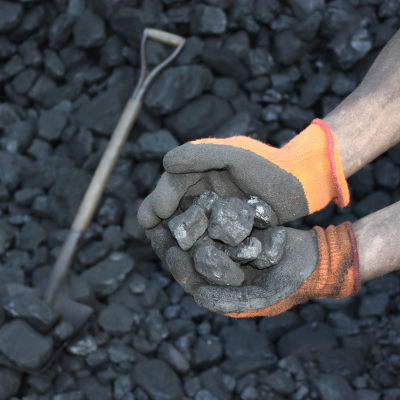
Burning coal releases hazardous air and water pollutants, including oxides of nitrogen and sulphur, mercury, and particulate matter. The government’s decision to spend an estimated $2.6 billion refurbishing coal plants — rather than investing in Saskatchewan’s exceptional wind and solar capacity — will expose people to pollution linked to asthma, lung disease, heart attacks, and premature death.
“Coal pollution is not contained by provincial borders. The prevailing winds carry dangerous coal pollution into Manitoba and beyond, harming communities that have had no say in this decision but whose right to a healthy environment is at stake,” said Glenn Wright, a Saskatchewan lawyer leading a court challenge against the province’s coal decision. “Our applicants are challenging the government of Saskatchewan’s choice to refurbish the coal power plants in court to ensure that the decision is justified, transparent, and lawful. Our applicants know that coal kills. Therefore any decision to create more dangerous pollution should be scrutinized closely.”
People in Saskatchewan can contact their elected leaders about phasing out coal on CAPE’s letter-writing action page. The health organizations calling for the 2030 coal phase-out include: Saskatchewan Public Health Association, Canadian Public Health Association, Student Medical Society of Saskatchewan, Asthma Canada, Canadian Lung Association, Canadian Association of Physicians for the Environment, Canadian Association of Nurses for the Environment, Canadian Association of Pharmacy for the Environment, Neurologists Interested in Climate and Health, Prevent Cancer Now, Canadian Institute of Public Health Inspectors, and Climate Psychology Alliance of North America.
“Transitioning away from coal isn’t only an environmental choice; it is essential to safeguarding our lungs. For the millions of Canadians living with asthma or COPD, clean air is a daily necessity for health and well-being. We owe it to the next generation to leave coal behind, securing a future where our children can grow, play, and breathe without restriction.”
Sarah Butson, Canadian Lung Association CEO
Read more on the website of the Canadian Physicians for the Environment (CAPE).